


fertilizer analysis; How to read the label and test certificate?
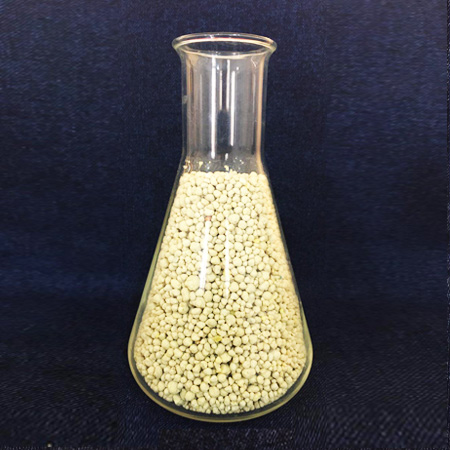
Reading the fertilizer analysis does not end with seeing the percentages. We must know which material each number is related to, with what basis and for what sample; Only in this case can two products be compared correctly.
Review of sources: Mehr 13, 1405 · Editorial office of Bafaq company
Based on percentages of fertilizer analysis
In phosphate sources, the amount of phosphorus is often expressed in terms of P₂O₅; This number is not the same as the elemental P percentage. Read the percentage of food from the title and method of the report. Also, the total amount of an element does not have a single definition with its soluble or extractable amount.[1]
Example and report method in fertilizer analysis
For example, ammonium sulfate is a source of nitrogen and sulfur, and the IPNI reference sheet lists 21% nitrogen and 24% sulfur for its typical composition. Do not consider this reference information as a definitive certificate for each grade and shipment; The analysis of the supplied product should be checked separately.[2]
| question | Why is it important? |
|---|---|
| Is the base P or P₂O₅? | To avoid false comparisons |
| Is the result total or soluble? | To understand the definition of the test |
| Which batch does the sample belong to? | To track the quality of the same load |
| What are the test methods and conditions? | To compare reports |
Sampling and tracking the result
Batch specifications, date and place of sampling, test method and moisture basis should be clear. Define acceptance limits before delivery for purchasing decisions. If the two reports differ, reconcile the units and methods first and then perform the agreed upon sampling and testing.
Fertilizer testing examines product characteristics; Soil testing will clarify part of the farm's needs. One does not replace the other.
Archive fertilizer analysis for next season decision
Keep fertilizer analysis with farm information and application records. The shipment number, delivery time and amount used help to track the result observed in the farm. When comparing two products, the sum of the percentages on the label is not necessarily a measure of nutritional value; Different elements do not have the same role and the basis of their reporting should be clear. The result of the soil test gives information about the needs of the field, while the fertilizer test is related to the composition of the crop sample. These two documents complement each other. If the report is ambiguous, ask the laboratory for the definition of the index, unit and test method. Record purchase and consumption decisions with applicable data and expert opinion.
Related study and follow-up
Sources and references
general information resources adapted to your specific application; The consumption guide or definitive specification of the shipment is obtained from the expert review and documents of the same product.